
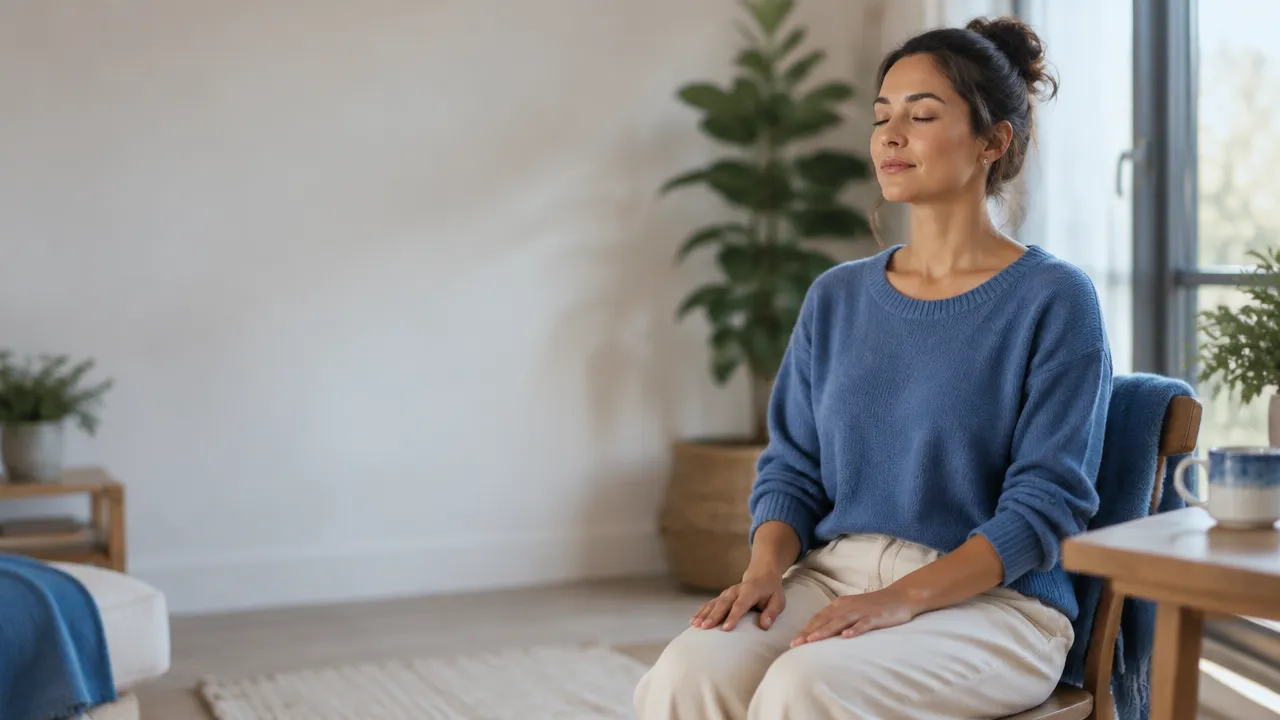
A daily mindfulness practice does not require a clear mind, special equipment, or a long meditation session. It means deliberately noticing what is happening now, then returning your attention when it wanders. Start with a small, repeatable routine that helps you pause before reacting, and build from there if it feels useful.
Key points for building a practice that lasts
- Begin with five minutes, or a smaller amount you can repeat consistently.
- Pair the practice with an existing cue, such as making coffee or sitting down after breakfast.
- Use a simple anchor: your breathing, sounds, or the feeling of your feet on the floor.
- When your mind wanders, notice it and return without judging yourself.
- Mindfulness can support self-awareness, but it is not a replacement for healthcare.
Start with a routine small enough to repeat
The best starting routine is one that fits your actual day, not an idealized schedule. Pick a reliable moment and a quiet-enough place, then decide in advance what you will do. For example, sit on a chair after breakfast and notice your breathing for five minutes.
Make the first version easy to complete even on a busy day. You might set a two-minute minimum, with the option to continue when you have time. A simple meditation routine for busy days can help you shape a practice around real-life constraints rather than waiting for a perfect moment.
Use a clear cue to remember: “After I pour my tea, I will sit and pay attention to my breath.” Keep your phone out of reach or silence notifications. The goal is not to prove discipline; it is to make returning to the practice straightforward.
How do you practice mindful breathing for five minutes?
Mindful breathing is a practical way to train attention: notice the breath as it is, and return to it whenever you become distracted. You do not need to breathe deeply or change its pace. If focusing on breathing feels uncomfortable, choose sounds or contact with the chair instead.
- Sit in a position that feels steady, with your feet supported.
- Notice one part of the breath, such as the air at your nostrils or your abdomen moving.
- When a thought or sound captures your attention, silently note “thinking” or “hearing.”
- Gently bring attention back to the chosen sensation.
- At the end, notice how you feel before moving on with your day.
The NHS breathing exercise guide offers a gentle technique that takes a few minutes and suggests practicing regularly. Treat the time as a helpful starting point, not a test. You can end the session early or adjust your posture if you feel strained.
Use ordinary activities to return to the present
Mindfulness can happen during everyday tasks, not only while sitting still. Choose one activity you already do and give it your full attention for a minute or two. Notice physical sensations, sounds, and the sequence of actions rather than trying to make the moment special.

During a walk, feel each foot meet the ground and notice the air on your skin. While eating, pause to observe the food’s texture, taste, and smell. A practical mindful eating exercise can turn one meal into a low-pressure opportunity to notice habits and sensations.
These brief pauses are useful when a formal session does not fit your schedule. They can also help you catch the moment when attention has shifted into replaying a conversation or anticipating a problem. You are not required to stay focused perfectly; the useful move is noticing and returning.
What should you do when thoughts or emotions arise?
Let thoughts and emotions be present without treating them as instructions. If you notice worry, for example, silently label it “worry is here,” feel your feet on the floor, and decide what response fits the situation. The aim is to make room for choice, not to force a blank mind.
It is normal for the mind to wander. The NHS mindfulness guidance explains that practice is not about making thoughts disappear; noticing them as they come and go is part of the process. If observing your thoughts feels overwhelming, open your eyes, move, or shift attention to something neutral in the room.
For a quick reset during a difficult day, try naming one sensation, one feeling, and one next action. This kind of brief check-in complements longer reflection, and daily emotional reset practices can offer more ways to pause without suppressing what you feel.
Make the habit flexible, and notice what helps
Build consistency with a simple plan, then review it after a week. Ask: Was the cue easy to remember? Did the length fit? Did I feel steadier, more aware, or simply more distracted? Your answers can guide small adjustments, such as changing the time, shortening the session, or using a walking practice.
- Keep the cue: attach practice to a regular activity.
- Lower the barrier: use a shorter version on demanding days.
- Track completion, not performance: note whether you showed up, not how calm you felt.
- Adapt when needed: try open eyes, movement, or sound as your anchor.
Research does not promise the same result for everyone. The U.S. National Center for Complementary and Integrative Health summarizes evidence that mindfulness programs may help some people with stress-related concerns, while noting that research quality and results vary. Its review of 83 studies also found that about 8% of participants reported negative effects, most commonly anxiety or depression, so respond to your experience rather than pushing through distress. Read the NCCIH evidence and safety overview for context. Do not use meditation to delay medical or mental health care.
Frequently asked questions
How can I focus on the present?
Use one sensory anchor, such as the feeling of your feet on the floor or the movement of your breath. When you notice your attention has drifted, gently return to that sensation. You do not need to stop thoughts or feel calm; noticing and returning is the practice.
How long should I practice each day?
Start with five minutes a day, or less if that makes the practice easier to begin. Choose a regular cue, such as sitting down after breakfast. A short session you repeat is more useful for building a routine than an ambitious plan you often skip.
What should I do when my mind wanders?
Notice that your attention has wandered, then guide it back to your chosen anchor without criticizing yourself. The mind naturally produces thoughts, plans, and memories. Each gentle return is a repetition of the skill, not evidence that you are doing the exercise incorrectly.
Can mindfulness make anxiety worse?
It can happen. Some people find meditation uncomfortable or notice stronger anxiety or difficult thoughts. Stop or shorten the practice, try an eyes-open activity such as walking, and seek support if distress continues. Mindfulness is not a substitute for professional care when you need it.