We all talk about meaningful change. Yet, lasting transformation—change that truly sustains—remains rare. Why do most people struggle to make changes stick? In our experience, it often comes down to one overlooked factor: personal values.
Values mapping is a practical and deeply insightful approach for anyone ready to realign their life and actions with what truly matters to them. In this article, we will share what values mapping is and how you can use it for personal change that lasts.
Understanding values and their hidden influence
We are constantly making choices, big and small. Underneath these choices, often hidden, are values—the principles and beliefs guiding what we consider right, meaningful, or important. When our values and actions align, we experience internal harmony. When misaligned, we often feel lost or unsatisfied.
Personal values shape our behavior more than we realize. They drive our priorities, how we respond to challenges, and how we relate to others.
Psychological research, such as the analysis of two German long-term panel studies, supports that values continue to develop throughout adulthood. Adaptation happens, even if slowly. This opens a path for intentional growth when values become clear and conscious.
Bring your values to light, and you bring new direction to your life.
What is values mapping?
Values mapping is the process of identifying, clarifying, and visually organizing our core values, so we can consciously shape our choices and habits. We see it as drawing a map for inner alignment—a guide to help us navigate life with greater clarity, purpose, and meaning.
This method goes beyond listing “values” on paper. Instead, it invites us to:
- Uncover what genuinely matters most to us (not what others say should matter)
- Understand which values may be in conflict or out of alignment
- Connect personal values with everyday decisions and bigger life plans
- Develop conscious strategies for growth and resilience
Modern research, such as systematic literature reviews on value orientations, shows that when we are mindful of our values, even during significant life transitions, change can be both stable and adaptive.
Why values mapping creates sustainable change
Change is often hard because it clashes with who we think we are—our sense of self. If we try to force a new habit or behavior that goes against our core values, we will likely revert under stress or pressure. Values mapping is a process of ensuring that personal growth efforts are rooted in what feels right deep within.
Aligning actions with values increases motivation and resilience because the reason for change is anchored in personal meaning.
We often notice that when someone clearly sees their core values mapped out, decision-making shifts from reactive or automatic to thoughtful and empowered. Challenges become easier to navigate. Setbacks feel less personal and more like opportunities to realign.

How to create your personal values map
In our practical experience, values mapping works best as a step-by-step process. Each stage builds awareness, reflection, and strategy. Here’s a simple path you can follow:
1. Name your core values
Begin with reflection. Take time to recall moments in life when you felt proud, inspired, or deeply moved. What motivated you in those moments? Try listing possible values that capture these experiences—examples include growth, compassion, creativity, learning, freedom, or honesty.
2. Prioritize and clarify their meaning
With your list, choose the ten values that stand out. For each value, write a brief description of what it means to you. For instance, “Respect” could mean speaking honestly, even when difficult, or listening without interruption. Narrow the list down to your top five.
3. Organize and visualize your values
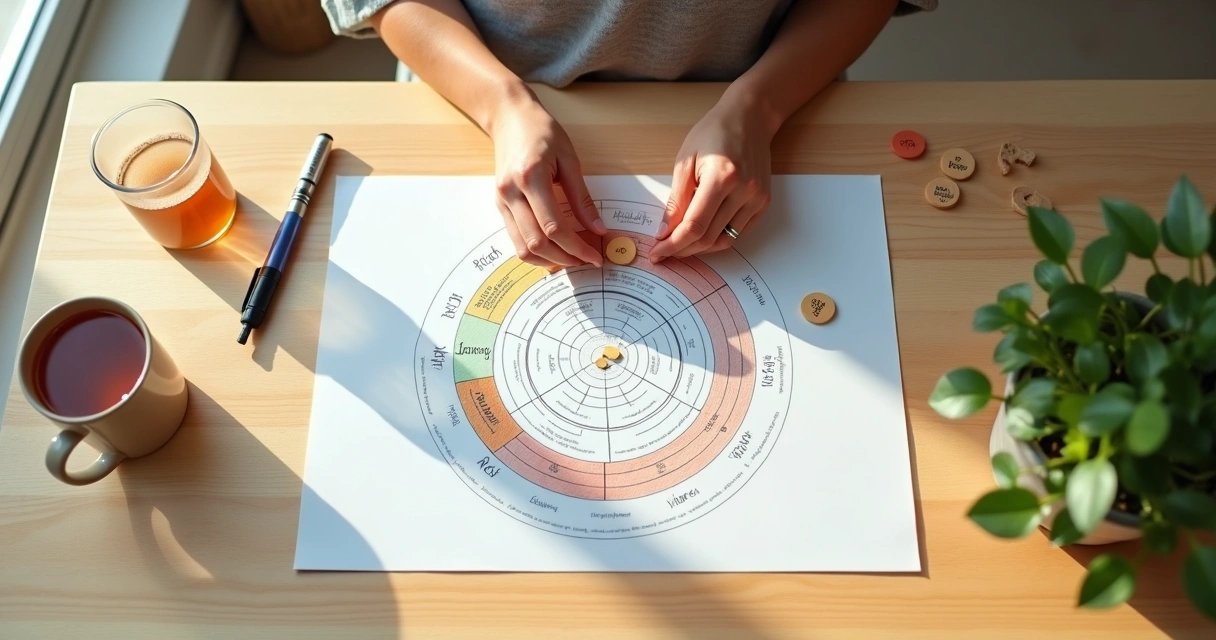
Now, create a visual representation—a “values map.” Write each value into a bubble, box, or on sticky notes. Arrange them based on importance or how connected they feel. Notice if any values seem to conflict or support each other. Visualization helps you notice patterns—for example, when “security” and “adventure” both appear, recognizing areas of inner tension.
4. Connect values with behaviors
Brainstorm ways your core values can show up in your daily actions. Ask yourself: If I lived according to this value, what would I do more? Is there a value I’m neglecting? List one or two practical actions for each value.
5. Spot misalignments and set intentions
Are there current habits or decisions that don’t fit with your mapped values? Maybe your daily routine neglects your value of well-being, or your relationships don’t reflect your value of honesty. Note these gaps honestly. Where misalignment appears, set a clear intention—one that is specific and actionable, not just aspirational.

6. Review, reflect, and refine your map
This is not a “one and done” tool. As life shifts, so can your priorities. Regularly review your values map—weekly, monthly, or with each big decision. Reflection keeps your transformation dynamic and authentic.
Practical tips to embed values mapping in everyday life
We have seen that sustainability in personal change grows from repeated small steps linked to values, not dramatic shifts. Here are a few ideas to keep your values mapping active:
- Journal about one value each week and how you lived it
- Create reminders or affirmations from your map to keep you focused
- Use your values map as a decision-making checklist for big choices
- Ask for support from a trusted friend or advisor to help identify blind spots
- Learn new values mapping techniques with detailed guides from reliable sources like values mapping techniques
When values mapping supports growth
Values mapping is especially useful during periods of transition—changing jobs, starting new relationships, facing challenges, or seeking greater meaning in life. Studies indicate that even during stress or transitions, values tend to remain relatively steady yet adaptive, allowing for practical change without a loss of identity (analysis of two German long-term panel studies).
Whenever we feel off-balance, our map can be a grounding tool. When seeking more insight into sustainable shifts, resources such as sustainable personal growth guides can also support our process.
Lasting progress follows when values lead the way.
Conclusion: small adjustments create enduring transformation
We believe that values mapping invites us to pause, reflect, and take charge—even when life feels overwhelming or confusing. Each step in this approach builds a more conscious relationship between what we feel, think, and do.
In our collective journey toward meaningful change, creating a values map is a gentle act of self-leadership. Over time, these small acts of alignment can create powerful, sustainable results.
If you integrate even a handful of these ideas, you will likely notice greater clarity, consistency, and purpose guiding your change efforts. We encourage you to start—draw your map, review it, let it guide you, and see what shifts.
Frequently asked questions
What is values mapping for personal change?
Values mapping is the process of identifying and organizing your core values to clarify what truly guides your decisions and actions, making personal change more meaningful and sustainable. This method helps connect your principles with your daily habits and long-term goals, leading to more stable and resilient change.
How do I start values mapping?
To start, set aside time to reflect on moments that felt significant or rewarding. List the values or qualities present in those experiences. Narrow down your list to a top five and describe what each means to you personally. Create a visual map to see the relationships between them, and use this map to guide practical action and review regularly.
Is values mapping effective for long-term change?
Yes, studies such as systematic literature reviews on value orientations show that personal values are quite stable over time but remain adaptive enough to guide sustainable change. Aligning growth efforts with your values helps ensure lasting shifts, rather than quick fixes or short-term motivation.
What are the benefits of values mapping?
Mapping your values leads to greater clarity, self-understanding, and motivation. It helps you set authentic goals, manage inner conflicts, and make decisions in a way that feels aligned and satisfying. Many people find it improves confidence, reduces doubt, and supports resilience in facing challenges.
Can I use values mapping by myself?
Yes, anyone can use values mapping as a personal exercise. It does not require outside experts or tools, though discussing your values with someone you trust can sometimes help. The most important part is honest reflection and openness to adjust as you learn more about yourself.