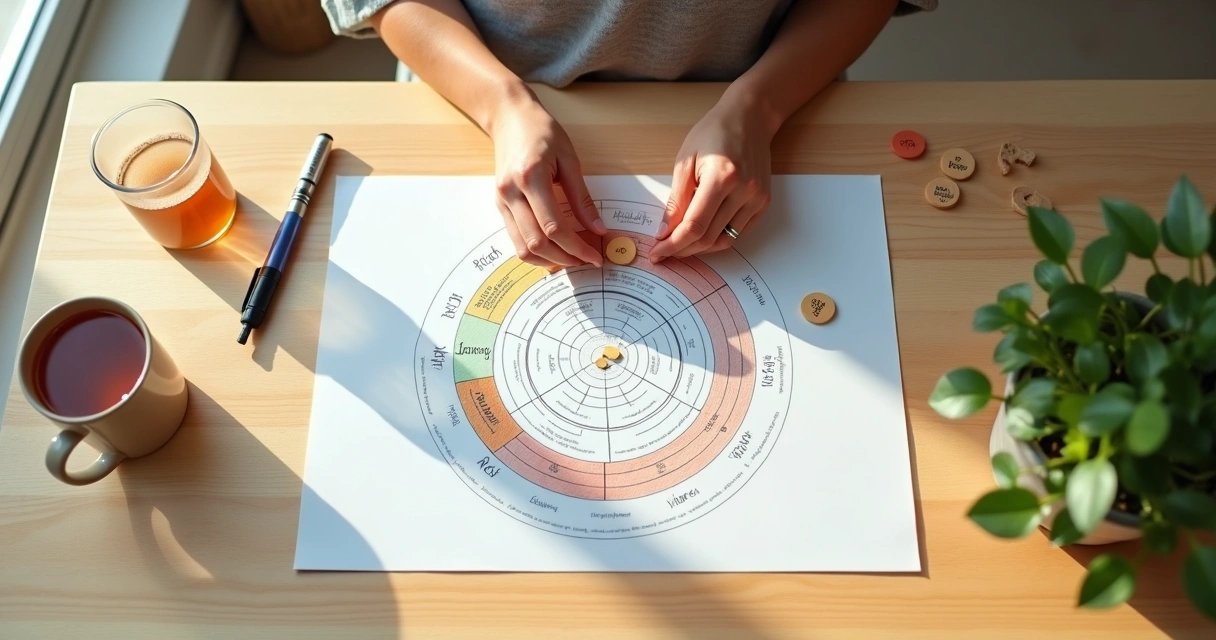

Entering a new phase of our personal and collective lives means meeting the future with a deeper sense of purpose and authenticity. Defining our values is not just an exercise in self-reflection—it's a living commitment that shapes every relationship, decision, and project in our path. As we move toward 2026, the need to clarify authentic personal values grows ever more evident. In our experience, the right questions open doors to honest reflection and, more importantly, to sustained transformation.
Why values demand our attention now
Every year, millions of us set goals but lose our way. Why? Often, our actions don’t grow from our core values. We find ourselves chasing success, acceptance, or stability—without asking if those are truly ours or inherited from others. Unexamined values pull us in different directions, leaving us feeling stuck or conflicted. As the world moves faster, connecting consciously with our real priorities gives us an inner compass. Values do not just answer what we want, but fundamentally reveal who we are, and how we choose to act in the world.
How to use questions as catalysts
When we ask ourselves deeper questions, we reveal what lies beneath surface-level desires. Honest answers require courage and patience. Some questions might stir discomfort, but that is often a sign we're approaching what truly matters. Taking time to reflect—even if just a few minutes each week—allows us to refine and test our answers, rather than locking ourselves into labels too quickly.
Big changes begin with honest questions.
Below are the nine questions we believe work as guiding stars for clarifying personal values, now and for the journey ahead to 2026.
The nine questions to clarify authentic personal values
-
What qualities do I recognize and appreciate in others?
When we admire someone—be it a friend, mentor, or public figure—we are usually resonating with qualities that reflect our own values. List these qualities, and notice patterns appearing. Perhaps we value integrity, kindness, determination, or vulnerability. Recognizing what we cherish in others often points directly to what matters most to us.
-
Which situations trigger frustration or anger in me?
Our emotional reactions to injustice, disrespect, or indifference are signals that a core value is threatened. We may feel upset when promises are broken, or when people are ignored. Ask in these moments, What value feels compromised right now? Patterns in our negative reactions help us find values such as honesty, loyalty, or inclusion.
-
What would I keep doing, even if no one noticed or rewarded me?
This question separates values from approval. If we’d still help a neighbor, keep learning, or create art without recognition, we are touching values like service, curiosity, or creativity. These actions persist regardless of external validation, pointing toward what is truly authentic for us.
-
When have I felt most alive, fulfilled, or at peace?
Moments of deep satisfaction mark the alignment between our values and our choices. It might be during travel, volunteering, creation, or simply being with family. Tracing back to those memories, we can uncover which values were honored—freedom, connection, purpose, presence, or something unique to us.
-
What am I unwilling to compromise, even under pressure?
We are sometimes pushed to bend our rules or accept situations that feel wrong. Noticing when we stand firm—whether about truth, fairness, kindness, or our boundaries—signals our non-negotiables. These are the pillars around which other values may gather.
-
Whose life or work inspires me, and what does that reveal?
Inspiration hints at aspirations. When someone’s journey resonates with us, we can ask why. Do we admire their resilience, their innovation, their commitment to justice? By mapping these inspirations, we discover the directions our values point us toward, for both our personal growth and impact on others.
-
How do I want to be remembered by those I love and work with?
Legacy is not about fame, but about the felt presence we leave behind. Picturing what others might say about us sharpens our priorities. Do we want to be remembered as supportive, honest, wise, or bold? Imagining our legacy distills our values to the qualities that matter most over time, not just in moments.
-
If I had unlimited time and resources, what would I commit myself to?
Obligations often dictate our choices, but this question strips those away. What would we build, protect, nurture, or fight for if nothing held us back? Our answers often reveal values around freedom, growth, social responsibility, or personal mastery.
-
What does a meaningful life look and feel like for me in 2026?
Looking forward creates a conscious opportunity to update our values rather than living by patterns from the past. Picture a day in your life, three years from now. Who is around you? What are you doing? What qualities define your environment and relationships? Your vision of meaningful living contains the seeds of your truest values.
Turning questions into lasting clarity
Answering these questions is only the first step. The real transformation arrives when we act on what we discover. We have found that writing answers down (and revisiting them every few months) helps us stay grounded. Some people share their reflections with friends or mentors, while others keep them private but close at hand. There is no single way to live our values, but regular attention strengthens their presence.
- Talk about your values with people you trust—they can offer perspective or catch blind spots.
- Notice when your actions align with your answers and when they do not. No need for perfection, just honest attention.
- Expect some values to shift as you change, but look for the ones that persist or deepen over time.
Using resources such as this deep-dive on personal value questions and practicing self-observation create a foundation to act with clarity and confidence. For actionable steps to review and refine your values for the coming years, our guide on personal values clarification for 2026 can be a practical support.

Conclusion: Values as our guide into 2026
True clarity comes with intention and self-honesty. By regularly asking these nine questions, we set the stage for conscious, value-driven choices as 2026 arrives. In our research, even those who begin unsure quickly sense the power of tuning in to their core.
Values point us to who we are, and who we can become.
Through presence, reflection, and courage, our authentic values can move from quiet intentions to the visible design of our daily lives and future legacies.
Frequently asked questions
What are authentic personal values?
Authentic personal values are the core beliefs and principles that guide our choices, emotions, and identity. They are not adopted to please others or based on social expectations, but emerge from honest self-reflection about what truly matters to us. When we live by our authentic values, our actions and feelings are more congruent, leading to greater well-being and self-respect.
How do I identify my core values?
Identifying core values involves reflecting on meaningful experiences, emotional reactions, and qualities we admire in others. Tools like the nine questions above encourage honest answers and bring hidden values to the surface. Writing about times when we felt fulfilled or upset can also highlight what is most important for us.
Why are personal values important?
Personal values act as a compass, bringing direction and meaning to our decisions, actions, and relationships. They help us set priorities, reduce conflicts, and build lives that feel authentic and purposeful. When we ignore or forget our values, we may feel lost or dissatisfied, even when things appear successful from the outside.
Can values change over time?
Yes, values can change with new experiences, life stages, or shifts in awareness. Major transitions, such as family changes, career shifts, or spiritual growth, often lead to clarifying or updating our values. While some core values remain consistent, others may grow in importance or fade as our understanding deepens.
How to clarify values for the future?
To clarify values for the future, we recommend setting aside time for intentional reflection using questions like those in this article. Envisioning our future life and the qualities we desire helps us select values that support growth and fulfillment. Regular review ensures our values stay aligned as we meet new challenges and opportunities in the years ahead.