
Clear thinking can feel so rare, but we all crave it. Decisions, relationships, even small daily choices benefit when our minds are steady. Through our experience, we’ve learned that gratitude rituals provide a simple, practical way to clear away much of life’s fog. When we take time to notice the good in our lives, true mental clarity often follows. These small acts may surprise you with their power.
Why start gratitude rituals to gain clarity?
Our minds spin stories, worries, and lists, especially during busy or stressful times. We’ve noticed that when we pause for gratitude, even briefly, our focus shifts. Stress melts a little. The mind quiets. Solutions, once hidden, begin to stand out. The heart feels open, and our view of ourselves and others softens.
A grateful moment can change your whole day.
Years of research and real-life practice back this up. Gratitude rituals train the mind to spot positives, not just threats or gaps. This regular focus lays the path for more thoughtful observations and wiser choices. We witness this effect time and again, as many people rediscover their natural inner clarity—sometimes within a week or two of daily practice.
How do gratitude rituals create clarity?
Something shifts on a deep level when we practice gratitude every day. It’s not magic, but genuine science and awareness in action. Here’s what we observe:
- Shifts in attention: Gratitude activities guide attention away from anxious thoughts and repetitive worries toward positive, often overlooked, details. This mental redirection builds present-moment awareness.
- Greater emotional balance: By pausing to recognize the good, emotional storms tend to settle. When we’re less reactive, we see situations and ourselves with more accuracy.
- Increased resilience: A daily habit of gratitude strengthens our response to stress, supporting clearer reactions, even in tough moments.
- Mind-body benefits: Multiple studies point to gratitude practices lowering blood pressure, improving sleep, and supporting the immune system—all of which help mental clarity.
Strong clarity grows from awareness, presence, and balanced emotion—exactly what gratitude routines nurture.
Practical gratitude rituals with real results
You don’t need anything fancy to start. A notebook, a quiet moment, or even a supportive group can be enough. Consistency gives the most reliable results. Each small step adds up.
1. Morning gratitude intention
Begin your day looking for a bright spot. Sit up in bed, close your eyes, and ask yourself: “What am I grateful for as I start this day?” This sets a positive tone. No need for big answers—add simple joys, like sunlight or a warm drink. One of us makes this a habit before checking any messages or news. This calm moment often carries through the day.
2. Gratitude journaling
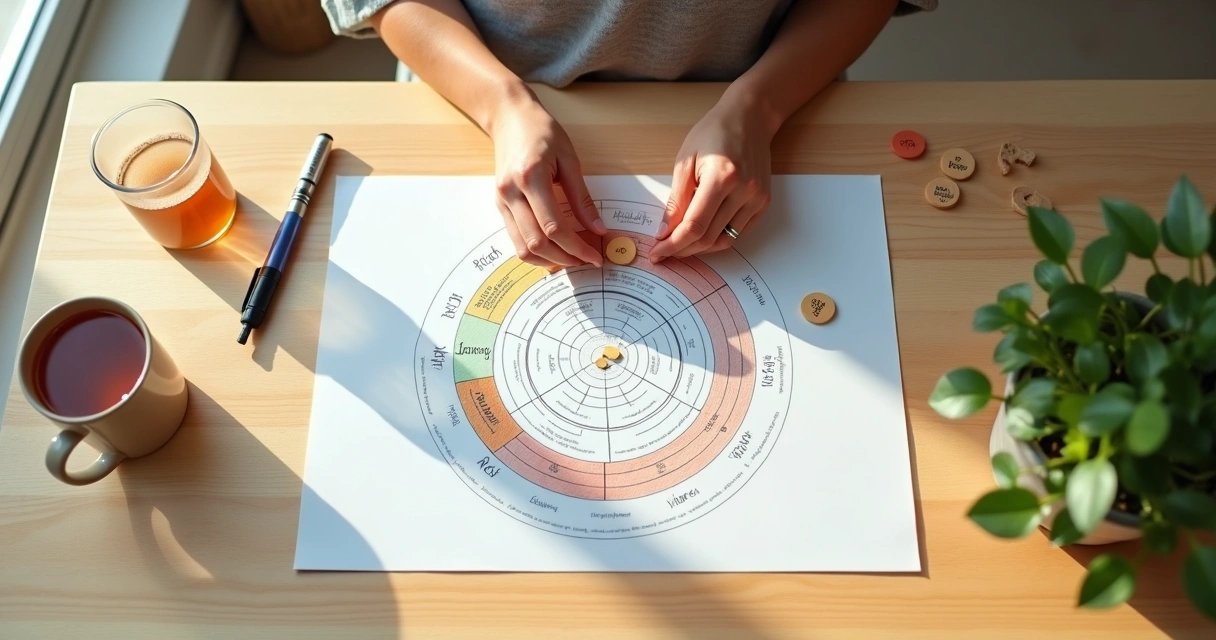
Take five minutes to write down three things you’re thankful for. Be specific. Instead of “I’m grateful for my family,” try “I’m grateful for the way my friend listened to me yesterday.” Write daily or on set days. Over time, you’ll notice patterns in what lifts your mood and supports clarity.

3. Gratitude walks
Go for a slow walk, inside or outside, and as you move, quietly name things you’re grateful for. “I’m grateful for these comfortable shoes. I appreciate the blue sky. I value this moment by myself.” The physical movement mixes with the mental focus. We find this practice especially helpful during tense or overwhelming days.
4. Evening reflection
Before sleep, remember three moments (big or small) that brought gratitude. This habit trains the mind to close the day with gentle awareness instead of lingering worries.
5. Gratitude sharing
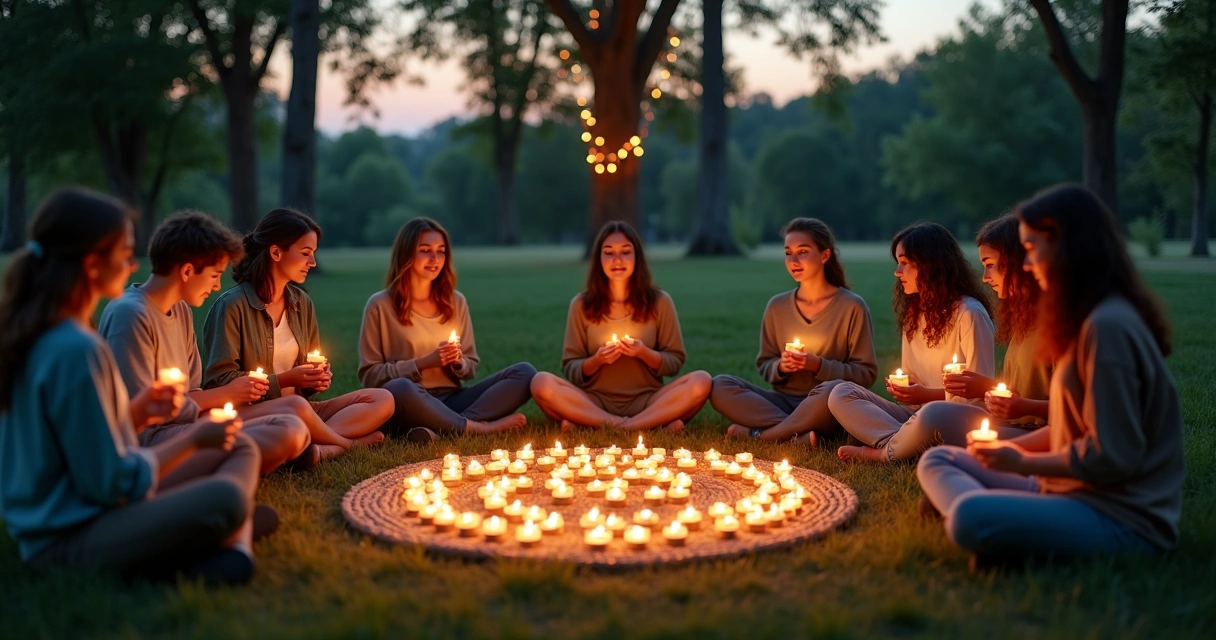
Exchange your daily gratitude with a partner or friend. In our experience, sharing out loud deepens the positive effect for both people. Some families share gratitudes around the dinner table—noticing creativity, humor, or simple acts of kindness.
6. Visual gratitude cues
Keep a special stone, note, or object nearby. Every time you see it, pause and think of one thing you appreciate in the moment. This physical reminder helps keep gratitude close, even on rushed days.
7. Combining rituals for clarity
Mix and match these options. Some people write in the morning and reflect in the evening. Others pair a walk and a gratitude object. The key is steady repetition. For more connected routines, you might appreciate reading about gratitude practices for mindfulness, which connect gratitude rituals with deeper attention.
Small steps, practiced often, change the mind’s focus.
Real results: what has changed for us and others?
What difference does gratitude practice really make for clarity? In our work, the stories repeat. A professional, once overwhelmed by choices, starts writing a daily gratitude note. She soon feels more centered when making tough calls. A parent, scattered by family demands, chooses a stone as a daily reminder. After a month, he notices fewer arguments at the dinner table. Teachers find more patience. Students, more calm.
What stands out most is that gratitude rituals don’t erase hard moments, but they shine a gentle light through them.

With steady use, we hear about:
- Sharper ability to notice what matters and ignore distractions
- Less time lost in repetitive doubts or negative loops
- Greater calm when faced with change or uncertainty
- More forgiving attitudes toward self and others
- Stronger sense of connection to purpose and values
These changes ripple into work, relationships, and personal growth. For those interested in how rituals of any kind contribute to mental clarity, our discussion at clarity through daily rituals can offer valuable insights.
Conclusion: gratitude rituals are simple, powerful tools for clarity
We think it is clear—small, steady gratitude rituals can help create clarity that feels real and lasting. The biggest breakthroughs often come from the smallest steps, repeated each day. Whether you choose to write, walk, reflect, or share gratitude, the result is a mind trained to notice, appreciate, and stay clear.
Gratitude opens the way; clarity follows close behind.
With daily practice, confusion fades, and decisions feel lighter. If you wish to see results, start with one small practice today, and give it a week. The mind, when cared for with gratitude, becomes a much kinder and clearer place to live.
Frequently asked questions
What is a gratitude ritual?
A gratitude ritual is a repeated, intentional activity or habit that helps us notice and appreciate positive details in our lives. This could be writing a daily list, sharing thanks with a friend, or quietly reflecting before bed. The goal is steady attention to the helpful or joyful parts of our day.
How do gratitude rituals give clarity?
Gratitude rituals work by shifting our attention away from stress and towards the good present in our lives, helping to quiet mental noise. This mental shift supports clear thinking, better perspective, and wiser choices, especially when practiced regularly.
What are simple gratitude rituals?
Simple gratitude rituals include writing down three things you are thankful for each day, taking a short walk while naming things you appreciate, sharing gratitude moments at dinner, or pausing with a special object as a reminder to reflect. The best rituals are the ones you can repeat regularly and with ease.
How often should I practice gratitude rituals?
We see the best results when gratitude rituals are practiced daily—consistency matters more than intensity. Even a few minutes each day can build the habit and reinforce patterns that support clarity and calm.
Is it worth it to do gratitude rituals?
Absolutely. In our experience and observation, most people who stick with a daily gratitude ritual notice improved mood, better clarity, and even physical health benefits within weeks. The effort invested is small, and the results can shape the quality of every day.