

Why do we sometimes stand in our own way? It is a question that puzzles many of us at critical points in life. We set goals, work hard, and yet, despite all our plans, we find ourselves repeating patterns that block progress just as we’re about to succeed. It's like having one foot on the gas and the other on the brakes.
We think the answer lies deeper than willpower or motivation. Much of it is rooted in what lives just beneath our awareness—our unconscious beliefs. In our experience, understanding these silent drivers can change how we see ourselves, our obstacles, and our possibilities.
What is self-sabotage, really?
Self-sabotage shows up as actions—big or small—that hold us back from what we truly want. We call off interviews last minute, miss deadlines, or let relationships drift even though we care. Most of us notice the outcomes first. The missed chance, the failed project, the familiar, uncomfortable feeling of regret. But the act of sabotage is rarely conscious. We’re not trying to ruin our own plans. So why does it happen?
Self-sabotage is often driven by unconscious beliefs that are formed early in life, usually for self-protection. These beliefs become silent rules, shaping our choices, sometimes out of fear or a need to avoid pain.
Our minds are much like icebergs—most of what shapes us is hidden from view.
How unconscious beliefs are born
We all build a set of core beliefs before we even reach adulthood. These ideas about ourselves and the world usually take root in childhood. They are shaped by repeated messages, emotional experiences, and the way we make sense of our environment. A few examples include:
- “I am not good enough.”
- “People always leave.”
- “If I speak up, I’ll get in trouble.”
- “Success comes with pain.”
Such beliefs serve as survival tools in early years. As adults, these same tools can turn into stumbling blocks. The mismatch between what we consciously desire—like connection or achievement—and the outdated rules hiding in our unconscious can spark self-defeating behaviors.
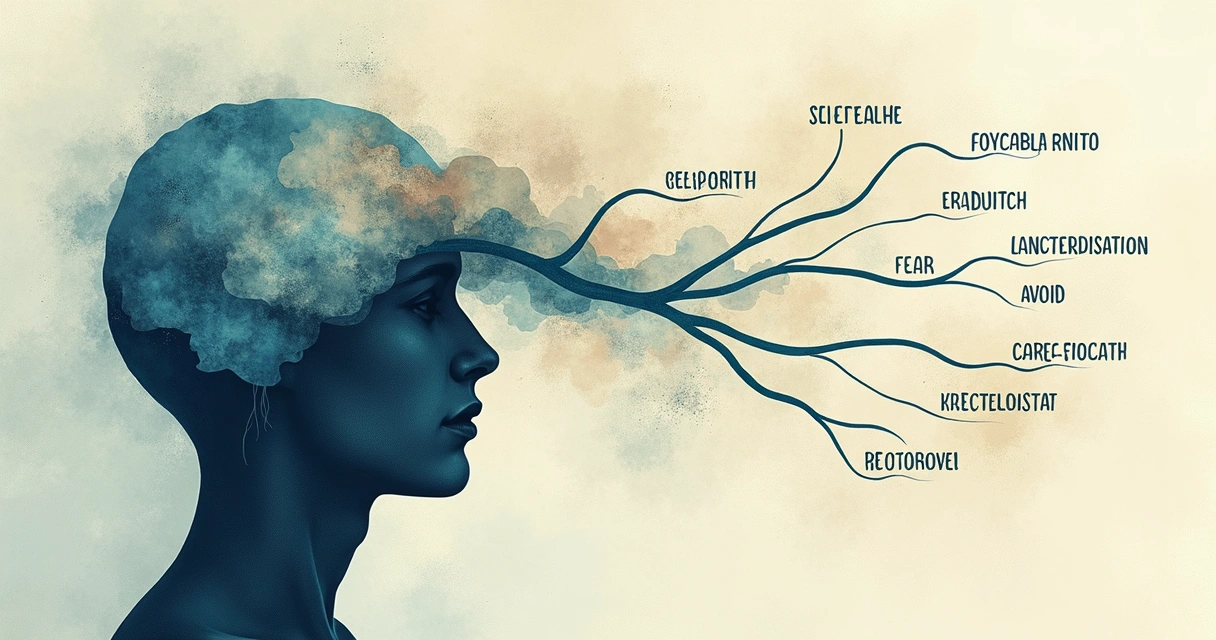
Three common forms of self-sabotage
Over the years, we've seen that self-sabotage rarely wears the same mask. Still, there are patterns we notice in many stories. Here are three that often go unnoticed:
- Procrastination disguised as “waiting for the right time”. On the surface, this seems harmless. But often it’s fear of failure, or even fear of success, talking through the language of delay.
- Perfectionism as a shield. Setting impossible standards sometimes helps us avoid the risk of showing up “as we are.” The project is never finished, the words never sent, the leap never taken.
- Creating conflict or withdrawal when things get close. Sometimes, just as something good begins—be it a job, a relationship, or a creative endeavor—we introduce chaos or retreat. The underlying belief may be, “I’m not worthy” or “Good things don’t last.”
Realizing that self-sabotage has these hidden forms is the first step toward breaking its hold.
We cannot change what we cannot see.
Why logic alone does not help
It's tempting to believe that more information or stronger logic would work. If only we knew enough, we could just stop sabotaging ourselves. But unconscious beliefs are not rational contracts—they are emotional agreements.
Trying to override an unconscious belief with reason is like speaking English to someone who only understands images and feelings. It usually leads to frustration and self-blame. In our view, this frustration is not a sign of weakness, but of using the wrong language for the problem.
The silent language of emotion and the body
Emotions are the bridge between unconscious beliefs and our daily actions. Think about the last time you acted against your best intentions. Chances are, a strong feeling—anxiety, shame, dread, even excitement—came first. These emotions set off automatic patterns.
Our bodies also participate. Someone might feel a heavy chest before making a presentation, experience knots in the stomach before a tough conversation, or notice restless energy that leads to distraction. These are not only stress responses, but clues to hidden beliefs.
Listening to these signals with curiosity, rather than judgment, brings us closer to understanding the hidden rules at play. We find that the body often holds wisdom about what has not yet reached the conscious mind.
Awareness as the first real step
If we cannot out-think self-sabotage, what does help? We believe the answer is awareness. The act of seeing our patterns clearly—without shame, denial, or avoidance—creates a crack where something new can enter.
- Pause and notice recurring behaviors, especially when the stakes are high.
- Ask what feelings come up right before self-sabotage happens.
- Consider what the pattern might be trying to “protect” you from, however illogical it seems.
- Reflect on when these beliefs might have first formed. Were you a child, or in a vulnerable situation?
For anyone seeking a deeper understanding, our guide on unconscious beliefs provides a starting point for self-inquiry and practical reflection.
How to work gently with self-sabotage
Once we see a pattern, change begins with compassion, not self-punishment. In our research and practice, we have seen that real shifts occur when we stop fighting ourselves and start listening. Here are practical ways to work gently with self-sabotage:
- Practice mindful observation. Notice, without harsh self-judgment, when sabotage begins. Label it, pause, and breathe.
- Make room for small risks. As long as the fear of change feels huge, start with safe, tiny actions that challenge the belief.
- Write down the unconscious rules you notice. Doing this often shrinks their power.
- Ask for support from trusted allies if needed. Sometimes, self-sabotage thrives in secrecy and shame.

Growth rarely happens by force, but rather by gently noticing, naming, and choosing again and again.
When new beliefs take root
With patience and repetition, as new beliefs are nurtured, old patterns lose their grip. It’s not an overnight event. It’s a daily practice. When self-sabotage diminishes, new results appear.
We make decisions with more confidence, follow through when things matter, and relate to others from a place of authenticity rather than fear.
This shift influences not just personal goals, but our families, our communities, and even our workplaces. The benefits multiply, quietly but powerfully.
Your next step
If this topic resonates, and you recognize patterns in your own life, you may find value in our article dedicated to understanding self-sabotage. Small insights can start a ripple effect of positive change.
Conclusion
Understanding self-sabotage and unconscious beliefs means stepping into the unknown within. It asks us to look at what’s hidden, listen to our emotions and bodies, and treat ourselves with the same kindness we’d offer a close friend. We all encounter resistance to change; it is a part of being human. But every moment of honest awareness is a step toward freedom from old patterns, and the creation of a new story—one that rings true with who we are now.
Frequently asked questions
What is self-sabotage?
Self-sabotage is when we act in ways that block our own goals, usually without meaning to. It involves habits or choices that get in the way of what we want, often because of hidden fears or old beliefs rather than conscious intent.
How do unconscious beliefs affect me?
Unconscious beliefs shape how we see ourselves, others, and the world. They guide actions on autopilot, often leading to patterns like avoidance, procrastination, or self-criticism. These beliefs can limit our choices until we become aware of them and start to question their accuracy.
How can I stop self-sabotage?
The process begins with awareness. First, notice what triggers self-sabotaging behaviors and the feelings underneath them. Then, look for patterns and gently challenge the beliefs that fuel these actions. Over time, new habits can replace old reactions as you work with compassion and patience.
What causes unconscious self-sabotage?
Unconscious self-sabotage is usually caused by beliefs or fears learned early in life, often as ways to avoid pain or disappointment. Even when these beliefs no longer fit present situations, they can still drive our choices until we bring them into awareness and change them.
Is self-sabotage common in adults?
Yes, self-sabotage is common among adults. Most people have experienced it at some point, especially during transitions or when pursuing goals that feel risky or unfamiliar. It is a natural response to fear, uncertainty, or limiting beliefs, but it can be changed with awareness and practice.