
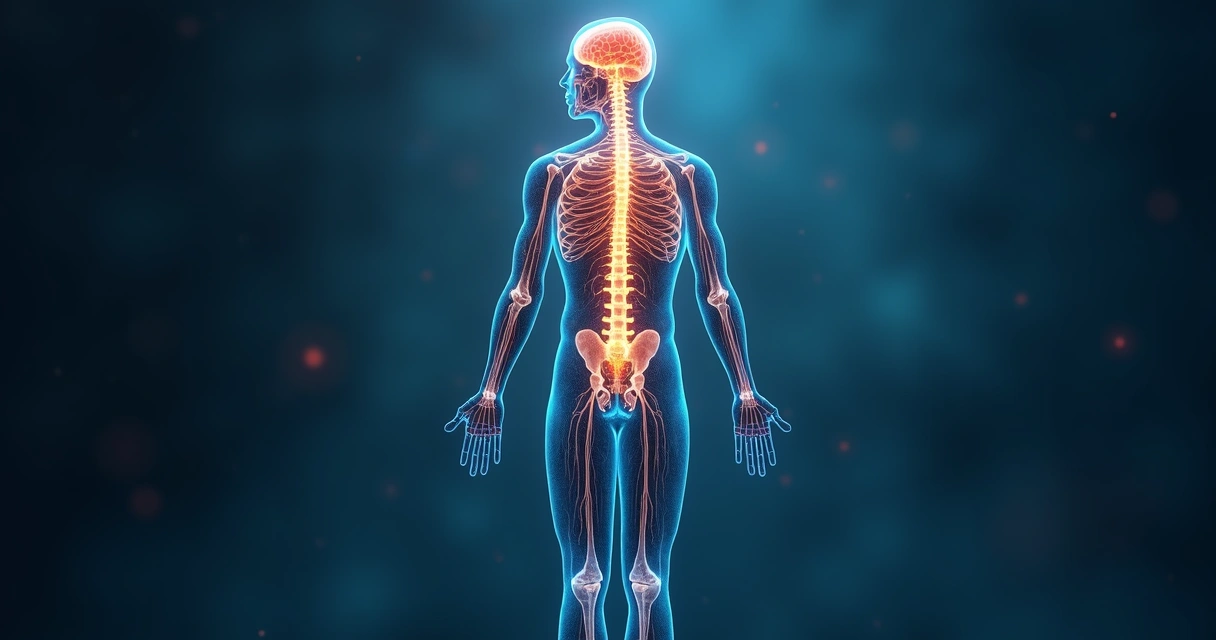
We often notice stress when our chest tightens or thoughts spiral at night. But stress can run much deeper, hidden from conscious awareness and quietly shaping our responses, mood, and health. The nervous system, ever listening and adjusting, holds subtle stories about what happens within us. By learning to sense its language, we realize just how much our bodies know—long before we do.
How the nervous system senses stress
Our nervous system is both alarm system and interpreter. Whether we’re escaping danger or answering a difficult email, it handles the signals and regulates our reactions. There are two main branches: the sympathetic (fight, flight, or freeze) and the parasympathetic (rest, digest, and recover).
Most of us notice stress in tense muscles or a racing heart. But often, before we realize we’re stressed, the nervous system has already adjusted its settings. Heart rate, breathing, digestion, posture, and subtle shifts in attention can all begin to change below our conscious radar.
Unconscious stress isn’t just mental pressure hidden from view—it’s a network of automatic changes throughout our body and mind.
Small cues are the body’s way of saying, “There’s something you haven’t noticed yet.” Listening can be surprisingly revealing.

What are the signs of unconscious stress?
Some signs stand out clearly—others hide in everyday habits and sensations. Over time, we’ve seen that the nervous system’s signals of hidden stress often include:
- Restless sleep, waking up still tired
- Digestive changes like appetite loss, bloating, or unease
- Feeling tired but unable to relax
- Sudden changes in attention: spacing out or struggling to focus
- Muscles always slightly tense, even at rest
- Breathing becomes shallow, with occasional sighs
- Surprising emotional reactions—irritation, sadness, or numbness without clear reason
- Needing more caffeine, sugar, or comfort food
- Withdrawal from social contact, or a push to stay busy at all costs
The nervous system can quietly shift our baseline until stress feels normal.
We miss these subtle cues because they creep in slowly. They become habit. That’s why understanding unconscious stress is so important; it can shape our lives without our consent. We wrote more deeply about these concepts in our dedicated article on understanding unconscious stress.
Why does the body hide stress from us?
Unconscious stress starts with deep patterns in the nervous system. Sometimes these are old habits—ways of coping learned in childhood. Sometimes they are current worries we push aside to keep going. Either way, the nervous system “remembers” even if we do not.
There are a few key reasons the nervous system hides stress:
- To protect us from overwhelm—if we felt everything at once, it could be too much
- To help us stay productive—ignoring small stress lets us keep functioning
- Because the pressure feels familiar—many of us grew up in environments that taught us to ignore stress signals
The nervous system will always choose safety, even if that means turning down the volume on discomfort.
This is not a flaw, but a survival skill. It simply means we need to become better listeners.
Looking for stress inside daily routines
Many of us move through routines almost on autopilot. Sometimes, we believe we are relaxed, but small signs say otherwise. Morning coffee feels less like a choice and more like a necessity. Our shoulders never quite drop. We notice we hold our breath while reading emails.
Spotting unconscious stress is an invitation to slow down, even for five minutes. When we scan our bodies and patterns, we begin to see:
- When our jaw clenches while driving
- How our voice gets tight with certain people
- A tendency to fidget, tap, or scroll aimlessly
- Struggling to sit alone in silence, reaching for noise or distractions
Hidden stress shows itself most when we’re still.
Awareness often starts small: A breath. A question. “How’s my body right now?”
Listening to the nervous system with attention
Becoming more sensitive to our stress signals is not about judgment. It is about curiosity. Our experience suggests a few gentle ways to tune in:
- Noticing breath and heartbeat in quiet moments
- Scanning for muscle tension from head to toe, letting attention land where it will
- Paying attention to sudden changes: energy surges, slumps, or cravings
- Journaling a line or two after stressful interactions
- Spending two minutes with eyes closed, observing sensations without changing them
We often underestimate the power of listening. The more we pay attention, the clearer the body’s messages become.
Tuning in helps us understand what we need before stress takes root or grows out of sight.

Simple steps to respond to unconscious stress
Once we notice hidden tension, small actions can help reset the nervous system. These are not about forcing calm, but giving the body what it is quietly asking for.
- Breathe slowly: Inhale for four counts, exhale for six, repeat several times
- Stretch or shake it out: Stand up, roll your shoulders, walk, or gently tap your body
- Listen to sound: Music, nature, or even white noise can ground us
- Connect: Share with someone we trust, or simply sit near others
- Pause: Take a few moments to do nothing at all—let the nervous system recalibrate on its own
Sometimes, it’s enough to recognize the message and take one small step. Other times, we may want to learn more about specific nervous system reactions—our deeper guide on nervous system stress signs can be helpful.
What realignment feels like
When we begin to trust our body’s language, a few changes can follow:
- We feel lighter after letting go of held breath or tension
- Emotions flow in and out more naturally, even the difficult ones
- Sleep comes easier, or starts to slowly improve
- Daily challenges feel less overwhelming, more like waves than storms
- We react less on autopilot, making conscious choices instead
Balance is not a state—it is a living, changing conversation with ourselves.
Conclusion
Our nervous system is a faithful translator of our inner world. By looking for unconscious stress, we gain powerful information. This is not about erasing worry or chasing perfect calm, but honoring the truth of our own experience. When we tune in and respond, we reclaim the power to shape how we live, relate, and care for ourselves. Hidden stress does not have to remain hidden. The body is telling us the story—if we listen.
Frequently asked questions
What is unconscious stress in the body?
Unconscious stress is when the body responds to pressure or threats before we’re fully aware of it. It involves automatic changes in heart rate, muscle tension, and breathing patterns, often shaped by past experiences or ongoing worries outside our conscious attention.
How does the nervous system show stress?
The nervous system signals stress through subtle shifts like faster heartbeats, tense muscles, shallow breaths, and changes in focus or mood. These reactions can occur even if we don't notice them right away. The body might feel restless, alert, or uneasy as stress builds.
What are signs of hidden stress?
Hidden stress can look like poor sleep, frequent sighing, muscle tightness, digestive issues, irritability, distraction, or a need to keep busy at all times. These signs often become daily habits, so we miss their connection to stress.
How can I calm my nervous system?
Calming the nervous system can start with slow, mindful breathing, gentle body movements, listening to soothing sounds, or pausing for quiet reflection. Spending time in supportive environments or with trusted people also helps restore balance.
Is unconscious stress common in daily life?
Yes, unconscious stress is part of most people’s daily experience. Modern routines often demand constant attention, leading the nervous system to process and adapt to stress even when we’re not aware of it.