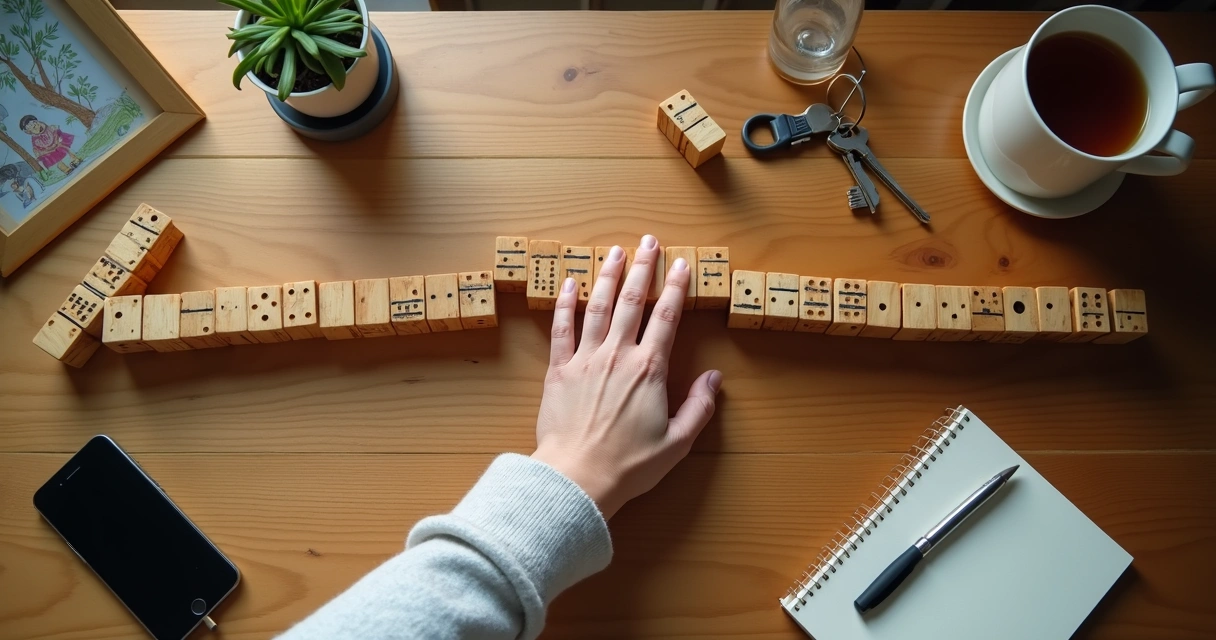
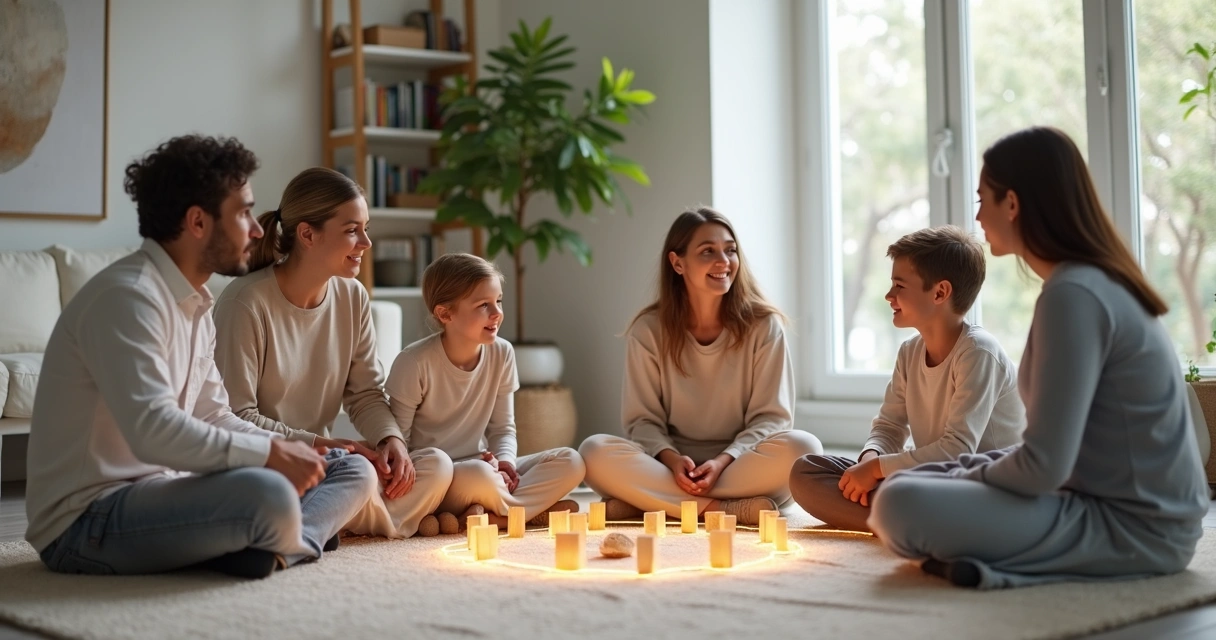
Blended families rarely struggle because people do not care. In our experience, they struggle because love arrives before structure does. A new marriage, a new home, shared custody, children with different histories, and old wounds still active can create tension fast.
Systemic tools help us see that the problem is often in the pattern, not in one person.
That shift matters. When we stop asking, “Who is wrong?” and start asking, “What is this family system repeating?”, blame softens. Space opens. Real change becomes possible.
Blended families are common, and they are part of a wider change in how families are formed. Data on evolving family structures and living arrangements in the United States shows how much family life has changed over time. At the same time, findings on children living in blended families show that many children now grow up with stepparents, stepsiblings, or half-siblings.
We have seen one scene many times. A step-parent tries to help with rules. A child pulls away. The biological parent feels torn. The former partner enters the conversation from a distance, but with force. Nobody planned a conflict. Yet there it is.
Love alone does not organize a family.
What systemic tools help us notice
Systemic work begins by looking at the family as a living network. Each member has a place, a bond, a level of belonging, and a history that affects the present. In blended families, this view is useful because there are visible ties and invisible ties acting at the same time.
Some of the most common tensions involve:
- Loyalty conflicts between children and biological parents
- Unclear authority for step-parents
- Competition between homes, rules, and routines
- Old grief from divorce, separation, or loss
- Pressure for quick emotional closeness
Clinical material reviewed by research on blended-family dynamics and nonbiological parent challenges points to many of these same pressures, including exclusion, loyalty conflicts, and disputes over parenting roles.
When we apply systemic tools, we do not begin by fixing behavior on the surface. We begin by asking three simple questions:
- Who belongs to this family system?
- What pain has not been fully acknowledged?
- Where are roles confused or forced?
Those questions often reveal more than long arguments do.
How to apply the tools in daily family life
The first step is to name the system honestly. A blended family is not “the same as before, but bigger.” It is a new system built from prior systems. That sounds obvious, but many families skip this truth. They try to act like the transition is small. It is not.
A blended family becomes safer when each bond is named without denial.
We can apply this in practical ways.
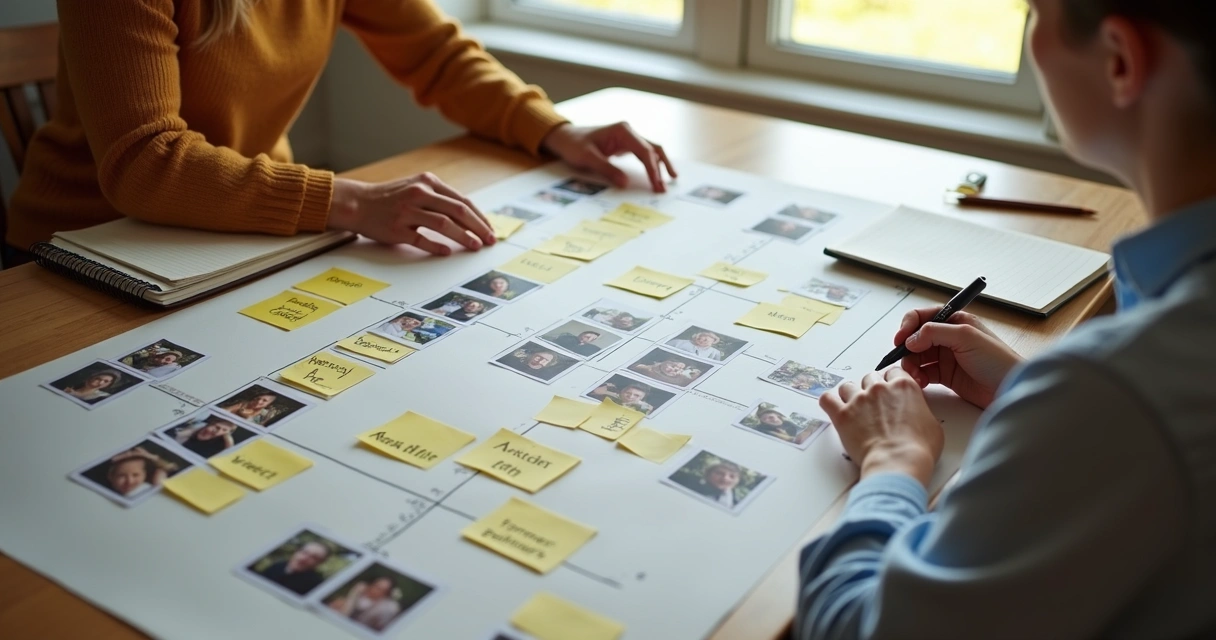
First, map the family. Write down all active members: children, biological parents, step-parents, former spouses or partners, half-siblings, and step-siblings. This is not to create distance. It is to create clarity. Hidden people often create visible stress.
Second, recognize prior bonds with respect. A child does not heal by being pushed to replace one parent with another. A step-parent also should not be asked to act as if they have the same place from day one.
Third, separate role from affection. Affection grows with time. Role needs agreement now. A step-parent may not yet be a trusted emotional figure, but the household still needs clear adult coordination.
Boundaries that reduce friction
Many blended families suffer not from lack of care, but from weak boundaries. We have seen homes improve when adults stop improvising every hard moment.
Healthy boundaries often include:
- The biological parent takes the lead in correction early on
- The step-parent builds trust before claiming deep authority
- Former partners are discussed with respect in front of children
- Children are not asked to mediate adult tension
- House rules are few, clear, and stable across time
This does not mean the step-parent stays passive. It means timing matters. If authority comes before connection, resistance often grows. If connection grows first, cooperation becomes more likely.
There is support for this caution. A peer-reviewed article on family conflict and adolescent adjustment across family forms found that higher conflict in blended families can harm adolescent adjustment. That is why reducing tension through clear process is not a luxury. It is care.
Emotional acknowledgment before family rules
Sometimes adults want a quick agreement about chores, schedules, and screens. Those topics matter, but they often fail if grief is still unspoken.
A child may be resisting dinner rules, but the deeper pain may be this: “My old life ended, and nobody asked how that felt.” A step-parent may seem controlling, but the deeper pain may be this: “I entered this home with goodwill, and now I feel rejected.”
What is not emotionally acknowledged often returns as behavior.
We suggest simple family conversations with short prompts:
- What has been hardest in this change?
- What do we miss from before?
- What helps this home feel fair?
- What do we need more time for?
These talks should be brief and safe. Not a trial. Not a lecture. Just enough truth to lower pressure.
For readers who want a deeper view of this framework, our guide to systemic family tools can help organize the first steps with more structure.
When remarriage creates a fast transition
Many blended families form after divorce and remarriage, often with little time for emotional digestion. Data on divorce, remarriage, and children in new marriages shows how often this path occurs. We think this matters because a legal or romantic transition can move faster than the inner transition of the family.
One mother once described it in a way that stayed with us. She said, “We moved in six weeks. My son still talked about his old room every night.” That sentence says a lot. The family had changed on paper, but not yet in the nervous system.
In these cases, systemic tools help by slowing the emotional pace without stopping life. We can accept the new structure while still giving space to what came before.
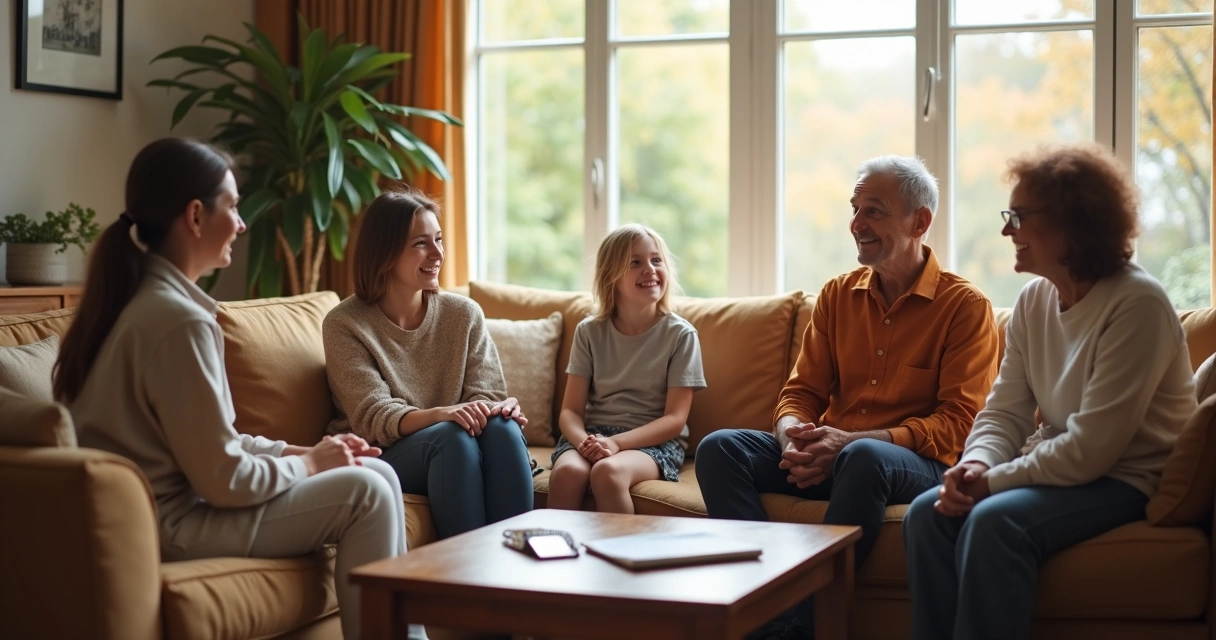
Families who want a more focused path for this stage may benefit from a systemic approach to blended family transitions that addresses roles, belonging, and emotional pacing.
Conclusion
Blended families do not need perfection. They need order, honesty, and time. When we apply systemic tools, we begin to see who belongs, what still hurts, and where each person can stand with dignity.
That changes the tone of the home. Less accusation. More understanding. Less confusion. More direction.
If we had to say it simply, we would say this: blended families become stronger when adults stop forcing instant unity and start building conscious belonging, one clear step at a time.
Frequently asked questions
What are Marquesan systemic tools?
They are practical methods used to read family patterns as a system, not only as isolated behaviors. We use them to identify belonging, hidden tensions, confused roles, emotional inheritance, and repeated conflicts. Their purpose is to bring more clarity, emotional maturity, and better relational positioning inside the home.
How do these tools help blended families?
They help by showing what is often left unsaid. In blended families, children, biological parents, and step-parents may all carry different loyalties and fears. Systemic tools help us name those dynamics, reduce blame, define roles, and create safer boundaries for daily life.
Where can I learn Marquesan systemic methods?
We recommend learning them through structured study, guided practice, and supervised application. Since these methods deal with deep emotional and relational patterns, a clear learning path helps us avoid shallow interpretations and apply the tools with care and responsibility.
Is it worth applying systemic tools at home?
Yes, when applied with respect, systemic tools can make home relationships clearer and calmer. They are useful for families who feel stuck in the same arguments, unclear in their roles, or strained by past transitions that still affect the present.
What are the benefits for step-parents and children?
For step-parents, the tools bring clearer positioning and less pressure to force quick closeness. For children, they offer more emotional safety, less loyalty conflict, and a stronger sense that their history is being respected. This often supports trust, cooperation, and steadier family bonds over time.